When stock starts taking over your spare room or equipment fills every available corner of your premises, finding more space can quickly move up your business to-do list.
However, needing extra storage does not always mean you need to relocate your entire operation.
Whether you run an online shop in Southampton, a trade business in Swansea or a growing company serving the surrounding areas, it is worth asking a simple question: do you need bigger premises, or somewhere else to keep the things you are not using every day?
Here are seven ways self-storage could help you make better use of your existing space.
1. Reclaim space for day-to-day work
Look around your workplace and consider how much room is occupied by items that do not need to be there every day.
Reserve stock, spare furniture and equipment for occasional projects may all have a purpose, but they do not necessarily need to share your immediate working area.
Moving selected items into storage could free up room for the activities your premises actually need to support. For a home-based business, that might mean getting the dining room back. For an established company, it could mean making better use of a stockroom or office.
2. Organise your online business stock
An online shop can start with a few products on a shelf. As your range develops, keeping everything organised requires a little more planning.
A storage unit can provide a separate place for suitable stock, packaging materials and reserve inventory. Rather than spreading products across several rooms, plan a layout around product categories or stock codes.
Keep an inventory and mark boxes clearly. Think about which products you collect most often, and position those where they are easiest to reach.
The aim is not simply to move the boxes out of your home. It is to give each product a place.
3. Prepare for busy trading periods
Your business may need more stock ahead of a product launch, a busy trading period or a planned promotion.
Instead of rearranging your entire workplace around a temporary increase in inventory, consider whether additional storage would help.
Estimate how much space you need, when the stock will arrive and how long you expect to keep it. Review the storage cost alongside your purchasing plans, rather than ordering more stock simply because you have somewhere to put it.
This approach gives the extra space a defined role in your business.
4. Keep tools and equipment organised between jobs
For tradespeople and service businesses, not every tool or piece of equipment is needed on every job.
Self-storage could provide a place for suitable spare tools, replacement parts and equipment used only on particular projects.
Group items by job type and keep a record of what is stored. That gives you a practical collection plan when the next project comes around.
Before booking, explain what you intend to store and check any restrictions. Our units are provided for storage, rather than use as a workshop or trading premises.
5. Store event and marketing materials between outings
Exhibition stands, promotional displays, reusable signage and event furniture can be awkward to accommodate between appearances.
Give these items a dedicated place instead of leaving them scattered around the office. Pack related materials together and include a checklist with each event kit.
Before the next exhibition or community event, you can review the checklist, collect what you need and identify anything that requires replacing.
It is a simple way to approach equipment that is useful throughout the year but does not need to occupy your everyday workspace.
6. Create breathing space during a move or refurbishment
A business move or refurbishment does not always happen in one neat step.
You may need to clear a room before decorating begins, move furniture before the new layout is ready, or hold equipment between leaving one property and accessing another.
Self-storage could act as a temporary holding point during that transition. Plan which items you will need throughout the project and keep those accessible, rather than packing everything in the order it leaves the building.
7. Assess your needs before committing to larger premises
Before deciding to move, separate your storage requirements from your operational requirements.
Do you need more room for staff, production or customers? Or is most of the pressure coming from belongings that could be kept elsewhere?
Where storage is the main issue, compare the full cost of a suitable unit with the cost and practical implications of taking on more premises. Include access, transport and the time involved in collecting goods.
Self-storage will not replace every type of commercial space, but it may be a useful intermediate step.
Business storage in Southampton and Swansea
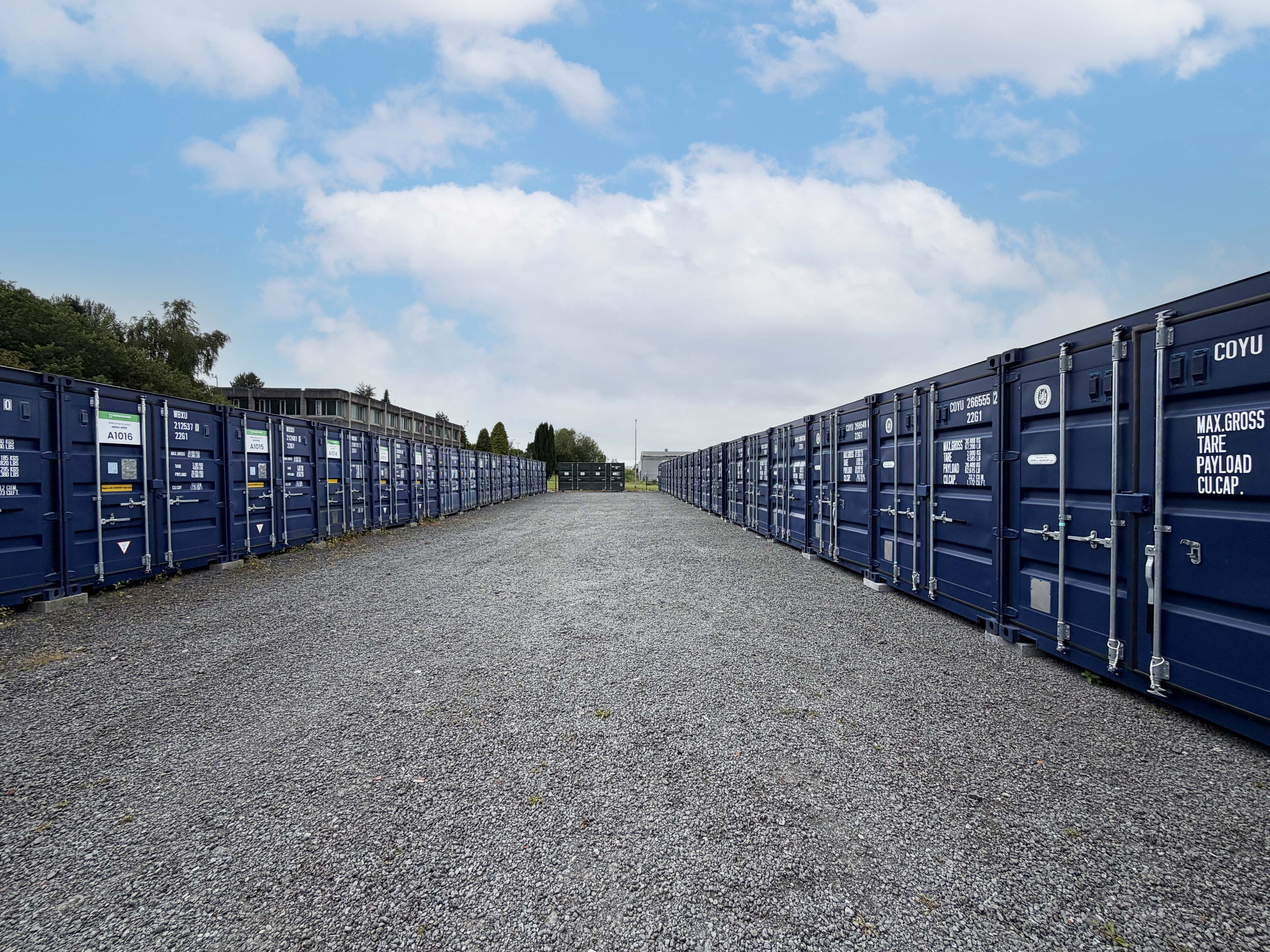
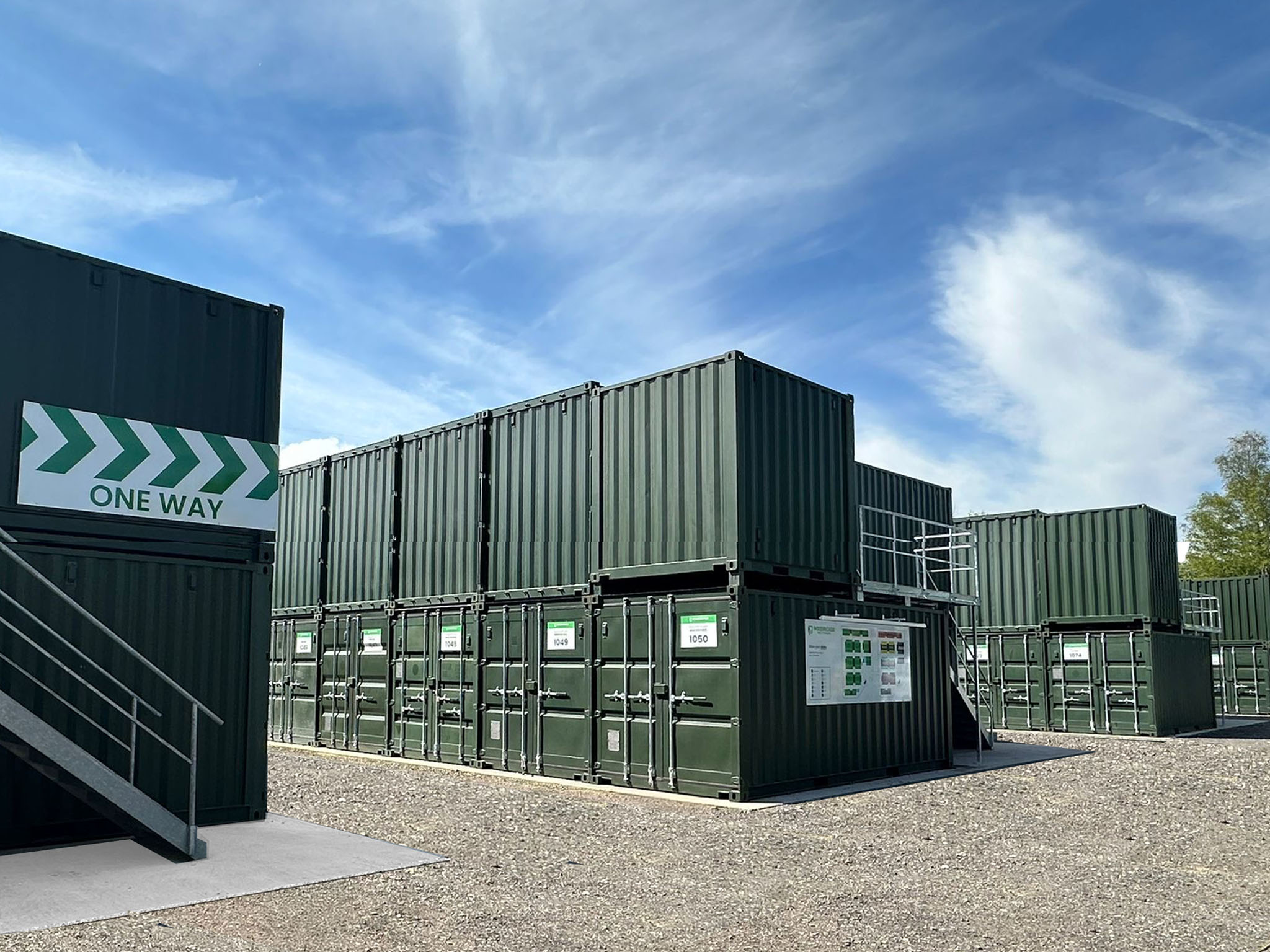
Woodpecker offers business storage at our Southampton and Swansea facilities, with 24/7 access included as standard at both sites. Whether you need to collect equipment before an early job or drop off stock after work, your storage can fit around your working day.
Our range includes small lockers to unit sizes up to 320 sq ft, with storage from £10 a month. Choose the space that suits your stock or equipment and check current prices and availability at your preferred location.
Security features include CCTV and security-coded gates, alongside floodlighting. For frequent loading and unloading, ask about a suitable drive-up unit and check the position of the specific unit before booking.
Running out of room? Contact Woodpecker Self Storage to discuss business storage in Southampton or Swansea and find a unit that fits your next step.